
Vientiane: Laos’ Peaceful Capital of Culture, History, and Riverside Charm
From: camellia tours
Date: 2025-12-13
At the heart of Vientiane’s identity is its spiritual and religious life. Pha That Luang, the city’s most iconic landmark, is a golden stupa considered the national symbol of Laos. This magnificent structure, originally built in the 16th century, represents both Buddhist devotion and Lao sovereignty. Wat Si Saket, the oldest surviving temple in the city, is renowned for its hundreds of Buddha images and classic Siamese-style architecture, while Wat Ho Phra Keo, a former temple and now museum, houses important religious artifacts and royal relics. Visiting these sites offers insight into Laos’ spiritual traditions and historical continuity.
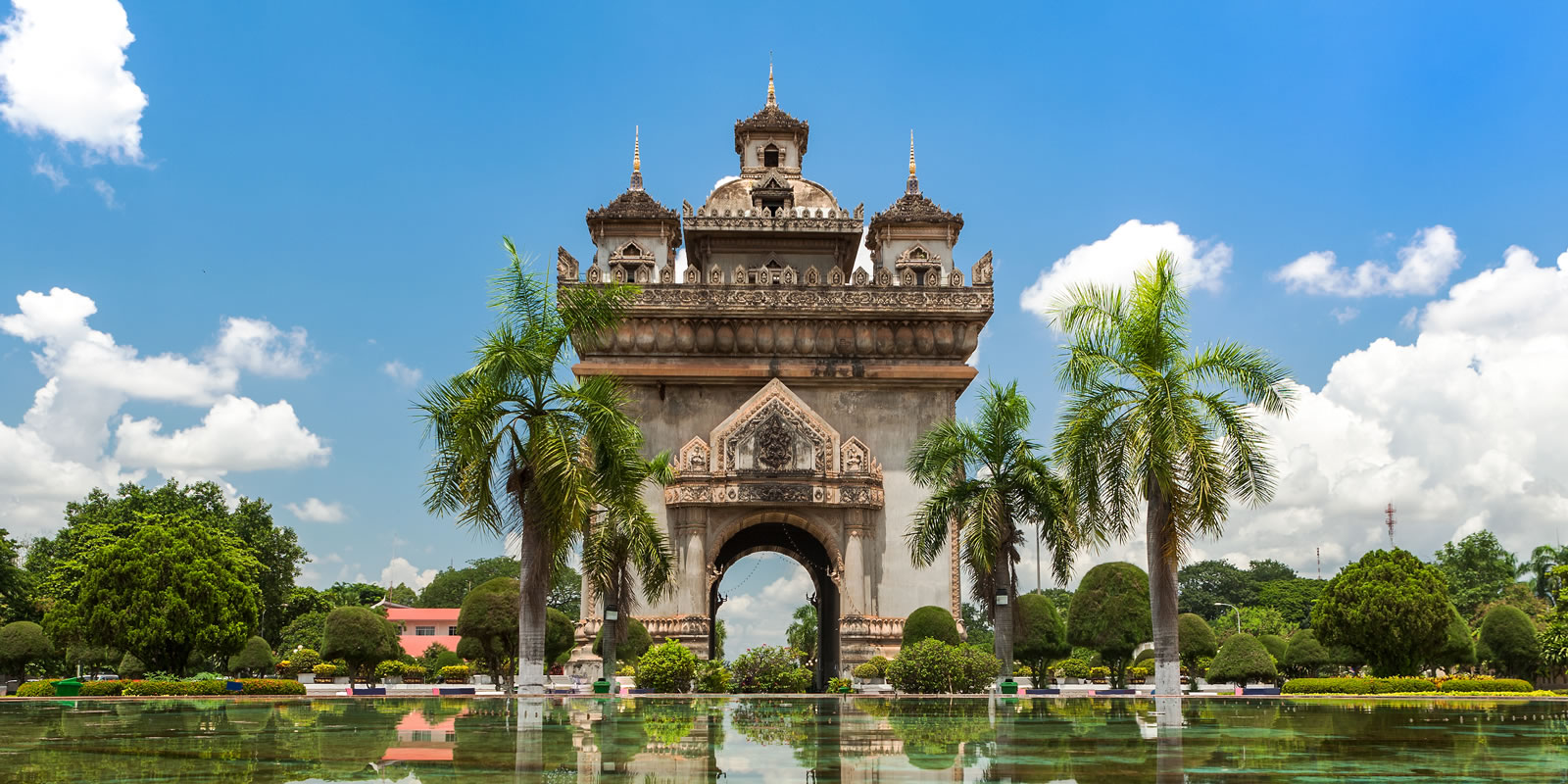
Vientiane’s colonial heritage is evident in its architecture and urban layout. French colonial buildings, tree-lined streets, and wide boulevards provide a unique blend of European influence and Southeast Asian character. Landmarks such as the Patuxai Victory Monument echo Parisian design while commemorating Laos’ struggle for independence, creating a harmonious mixture of history and artistry. The city’s serene atmosphere encourages walking and exploration, allowing visitors to appreciate the subtle elegance of its urban landscape.
Life along the Mekong River is central to Vientiane’s rhythm. The riverside promenade, especially at sunset, comes alive with locals and travelers enjoying evening strolls, street food, and small markets. This area is ideal for observing daily life, sampling local snacks, and soaking in the peaceful ambiance of a city defined by its connection to the river. Boat trips along the Mekong also offer scenic views and a sense of Vientiane’s geographical importance as a riverine city.
Vientiane is home to lively markets and a growing culinary scene. Talat Sao, or the Morning Market, provides a bustling space where locals buy textiles, handicrafts, and fresh produce. Food in the city reflects Lao simplicity and bold flavors, emphasizing fresh herbs, sticky rice, and savory dishes. Local specialties such as laap, tam mak hoong (green papaya salad), and mok pa (steamed fish in banana leaf) highlight regional flavors, while small cafés and riverside eateries provide relaxed venues for enjoying traditional cuisine.
Cultural life in Vientiane also extends to museums, art centers, and performance spaces. The COPE Visitor Centre educates visitors about the impact of unexploded ordnance (UXO) and the ongoing humanitarian efforts in Laos, providing context to the country’s modern history. Art galleries and local craft shops showcase the creativity of contemporary Lao artists, complementing the city’s historical and spiritual offerings.
What distinguishes Vientiane is its combination of calm, culture, and accessibility. Unlike more crowded capitals, it invites travelers to explore at a leisurely pace, absorb its history, and engage with local life. Whether walking along colonial boulevards, visiting temples, sampling street food, or enjoying the Mekong’s riverside charm, Vientiane leaves an impression of understated beauty, resilience, and cultural richness.
For those seeking a capital city that blends history, spirituality, and a relaxed pace, Vientiane provides a unique gateway into Lao culture and life. It is a city where past and present coexist harmoniously, offering meaningful experiences that linger long after the visit.
Explore More From Us


Read more from us
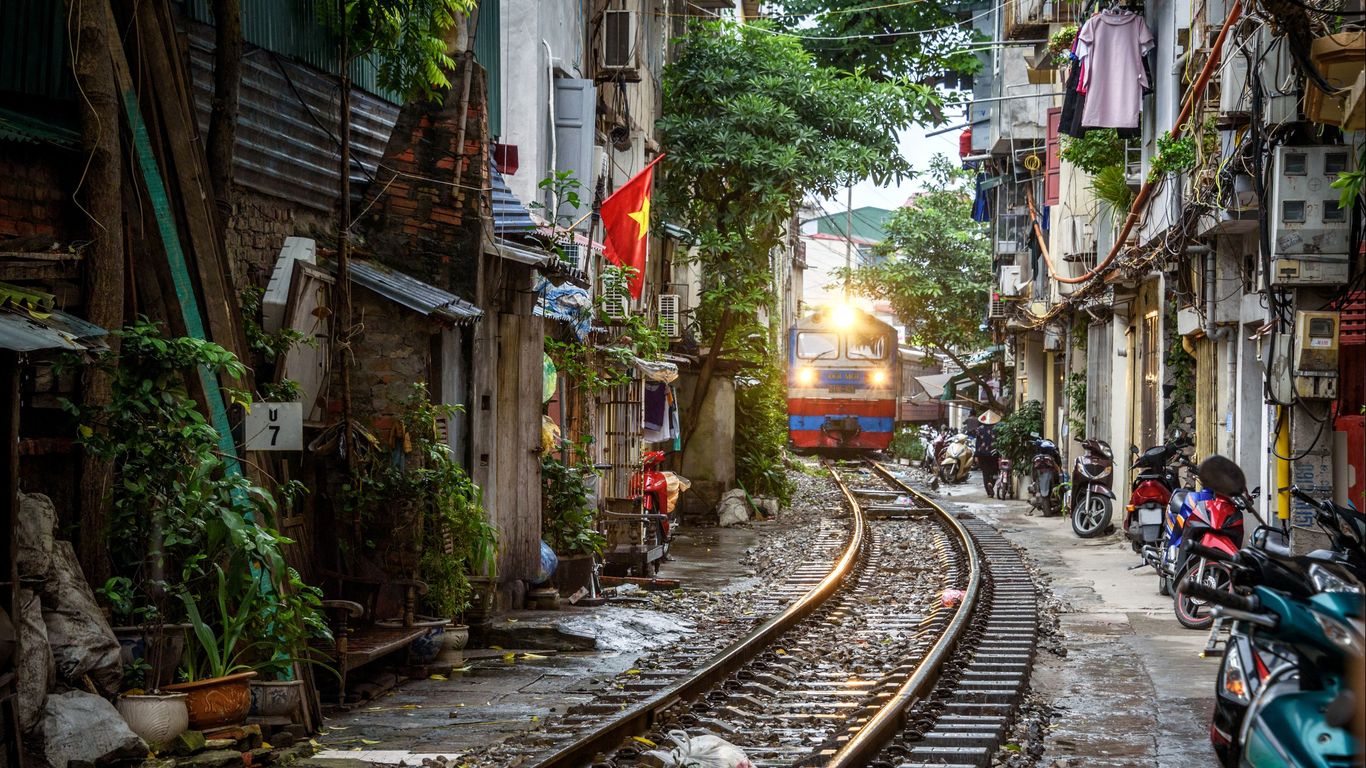
Hanoi: The Vibrant Capital of Vietnam and Its Iconic Train Experience
2025-12-13
Hanoi, the bustling capital of Vietnam, is a city where centuries of history meet vibrant modern lif...Read more
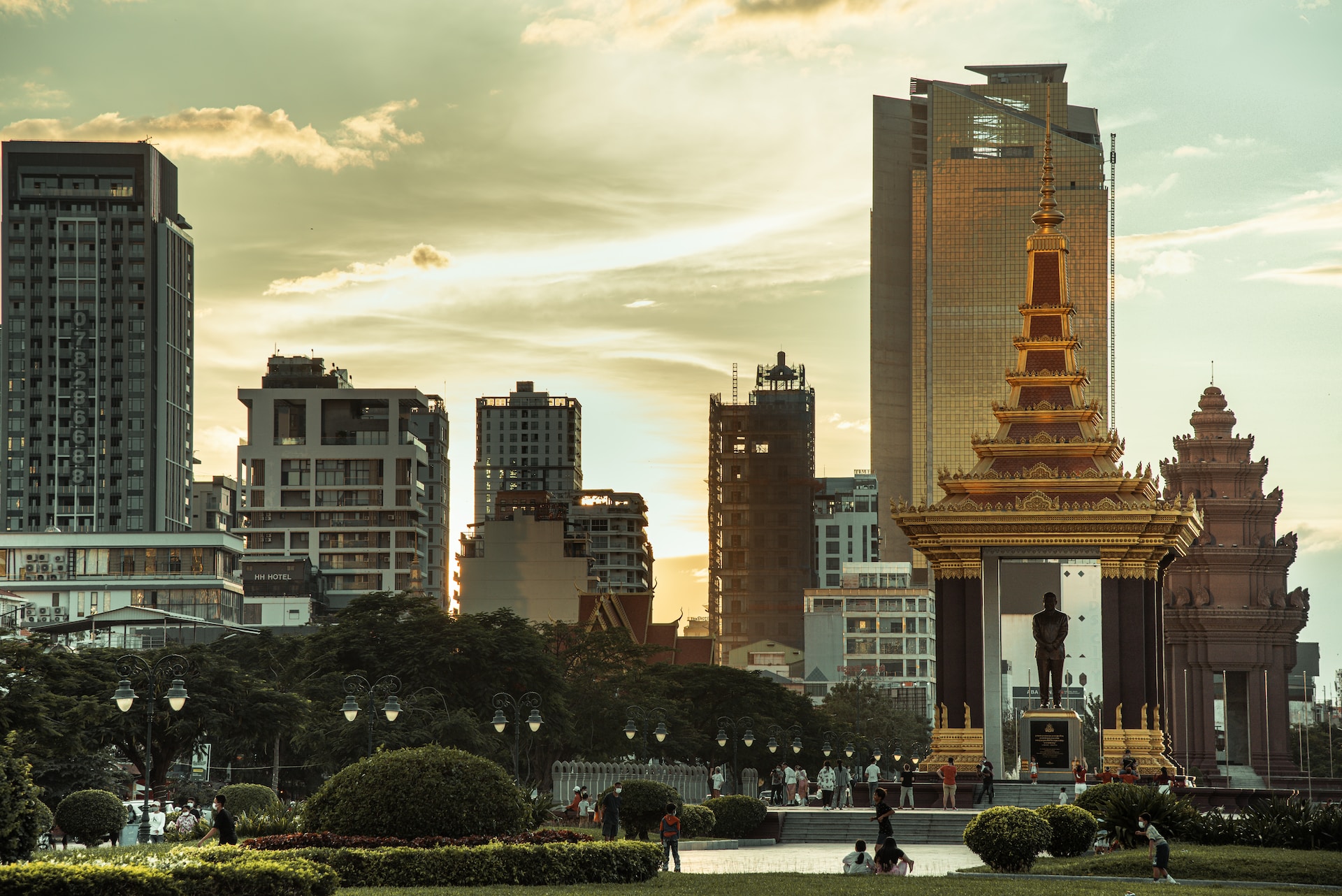
Phnom Penh: Cambodia’s Vibrant Capital of History, Culture, and Riverside Life
2025-12-14
Phnom Penh, the bustling capital of Cambodia, sits at the confluence of the Mekong, Tonle Sap, and B...Read more
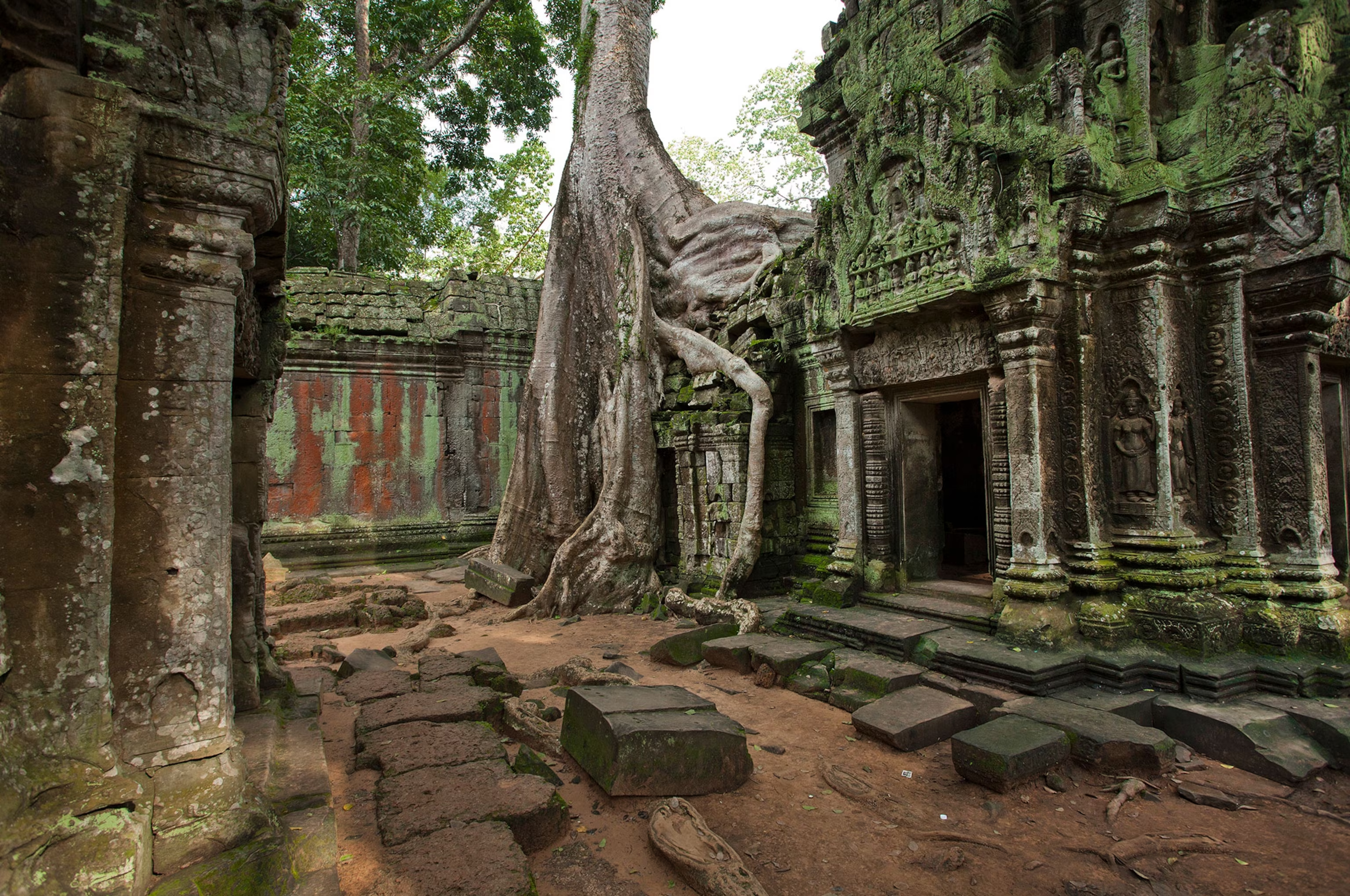
Siem Reap: Cambodia’s Cultural Heart and Gateway to Angkor
2025-12-13
Siem Reap, located in northwestern Cambodia, is best known as the gateway to the legendary Angkor Ar...Read more