
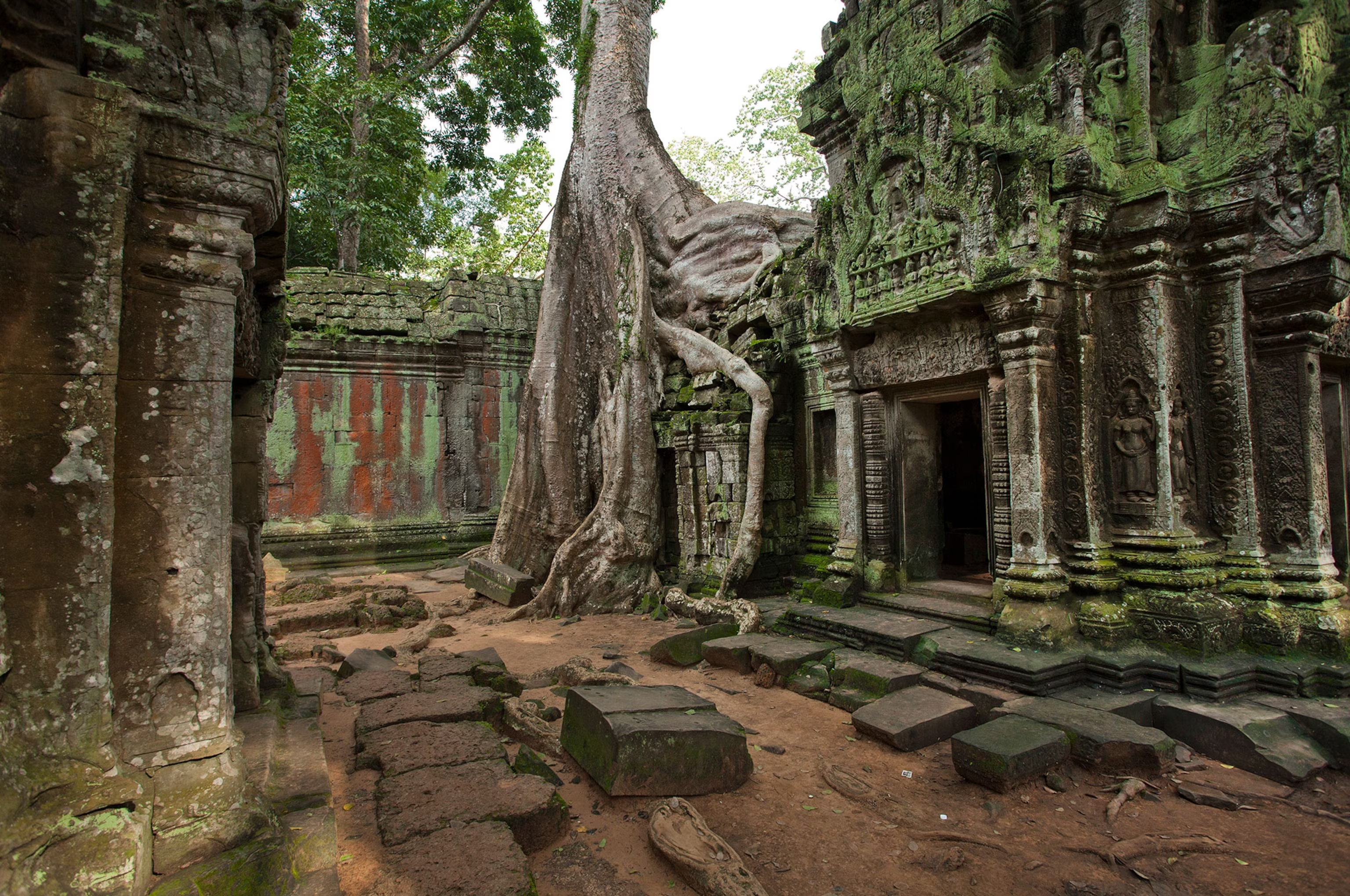
Siem Reap: Cambodia’s Cultural Heart and Gateway to Angkor
From: camellia tours
Date: 2025-12-13
The crown jewel of Siem Reap is undoubtedly Angkor Wat, the largest religious monument in the world and a symbol of Cambodia. Built in the 12th century during the Khmer Empire, the temple’s intricate bas-reliefs, towering spires, and symmetrical design exemplify Khmer architectural genius. Nearby temples such as Angkor Thom, Ta Prohm, Bayon, and Banteay Srei offer unique insights into the empire’s history, art, and religious beliefs. Ta Prohm, with its iconic overgrown trees entwining the ruins, presents a mystical and photogenic setting, while Bayon’s serene smiling faces reflect the spiritual and cultural sophistication of the period. Exploring these sites allows visitors to step back in time and witness the grandeur and ingenuity of one of Southeast Asia’s greatest civilizations.
Siem Reap’s town center complements its historical significance with a lively and engaging atmosphere. Pub Street, the Old Market (Phsar Chas), and numerous cafés, boutiques, and art galleries create a dynamic urban space that is both tourist-friendly and reflective of local life. Markets offer traditional Khmer crafts, textiles, jewelry, and souvenirs, while street vendors and restaurants serve authentic Cambodian dishes, including amok fish, lok lak, and fresh noodle soups. The city’s vibrant nightlife and cultural performances, including traditional Apsara dance shows, provide a balance between exploration and entertainment.
Nature and surrounding landscapes add another dimension to the Siem Reap experience. Tonle Sap Lake, Southeast Asia’s largest freshwater lake, lies just outside the city and supports floating villages, stilt houses, and a thriving fishing community. A boat trip across the lake offers insight into the livelihoods of local residents and the ecological importance of this unique environment. The surrounding countryside, dotted with rice paddies and small villages, provides scenic backdrops and opportunities for cycling or guided rural tours.
Siem Reap also serves as a hub for cultural and educational experiences. Museums, such as the Angkor National Museum, provide in-depth context on the history, art, and religious practices of the Khmer Empire, while workshops in traditional crafts, silk weaving, and pottery allow visitors to engage directly with local artisans. These experiences complement temple visits, providing a more holistic understanding of Cambodian culture and heritage.
What sets Siem Reap apart is its ability to combine ancient grandeur with contemporary charm. While the city draws visitors from around the world, it maintains a sense of authenticity through its markets, local neighborhoods, and cultural initiatives. Whether exploring the sun-drenched temple complexes at dawn, enjoying a quiet riverside walk, or tasting the flavors of Khmer cuisine, travelers are immersed in a rich and memorable cultural experience.
Siem Reap is more than just a gateway to Angkor; it is a destination in its own right. Its combination of historical significance, cultural vibrancy, scenic landscapes, and welcoming atmosphere makes it one of Cambodia’s most enriching and unforgettable cities. For those seeking history, spirituality, and authentic cultural encounters, Siem Reap offers an experience that resonates long after the visit ends.
Explore More From Us


Read more from us
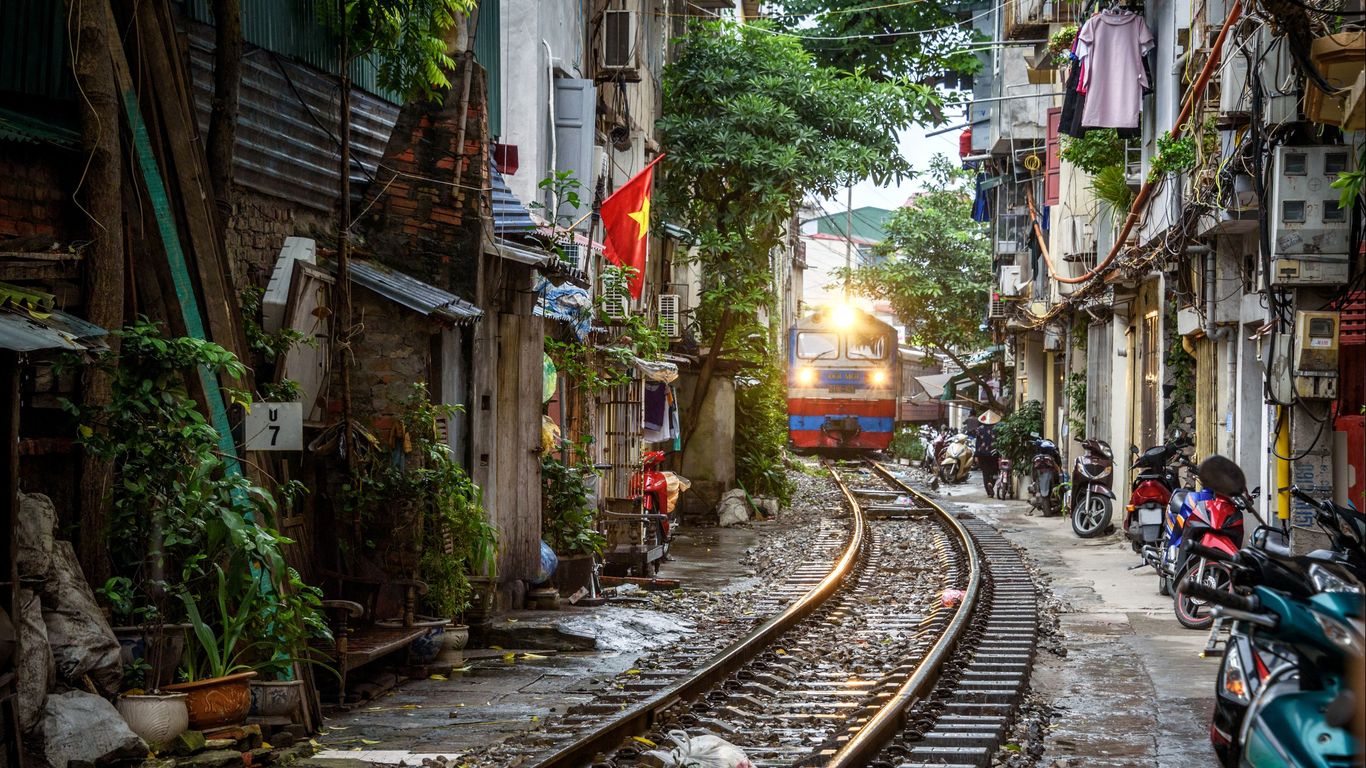
Hanoi: The Vibrant Capital of Vietnam and Its Iconic Train Experience
2025-12-13
Hanoi, the bustling capital of Vietnam, is a city where centuries of history meet vibrant modern lif...Read more
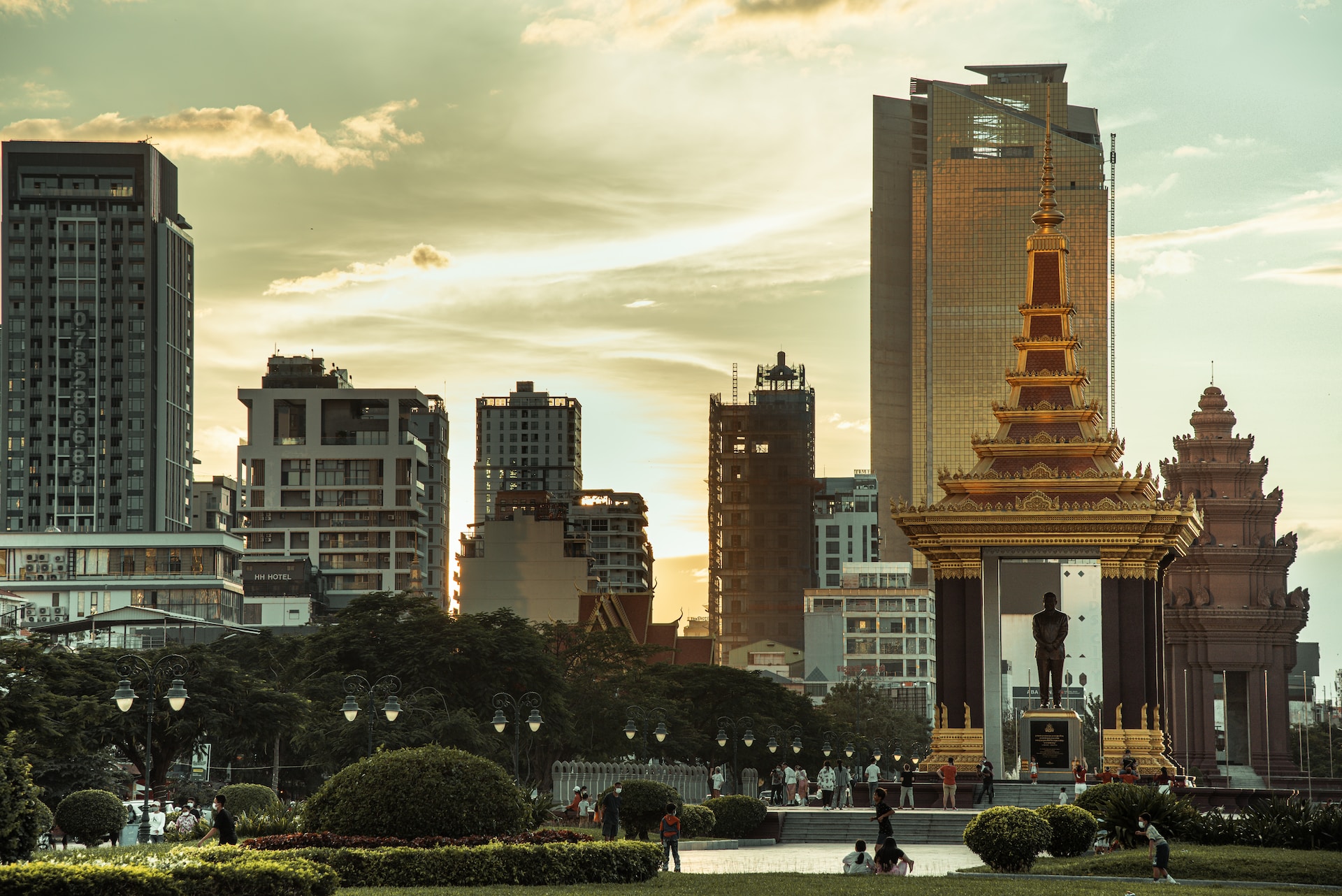
Phnom Penh: Cambodia’s Vibrant Capital of History, Culture, and Riverside Life
2025-12-14
Phnom Penh, the bustling capital of Cambodia, sits at the confluence of the Mekong, Tonle Sap, and B...Read more
Siem Reap: Cambodia’s Cultural Heart and Gateway to Angkor
2025-12-13
Siem Reap, located in northwestern Cambodia, is best known as the gateway to the legendary Angkor Ar...Read more