
.webp?alt=media&token=b19d90c5-019d-4416-8f37-835d56649509)
Siem Reap: Gateway to Angkor and the Living Soul of Cambodia
From: camellia tours
Date: 2025-12-13
The Angkor Archaeological Park is the defining presence of Siem Reap and one of the most important historical sites in the world. Spanning hundreds of square kilometers, Angkor was once the heart of the Khmer Empire, which dominated much of Southeast Asia for centuries. Angkor Wat, the largest religious monument ever built, stands as a masterpiece of symmetry, scale, and symbolism. Its bas-reliefs depict epic stories from Hindu mythology, while its towers represent Mount Meru, the spiritual center of the universe. Visiting Angkor Wat at sunrise is a powerful experience, as the temple emerges from darkness into golden light, revealing its timeless grandeur.
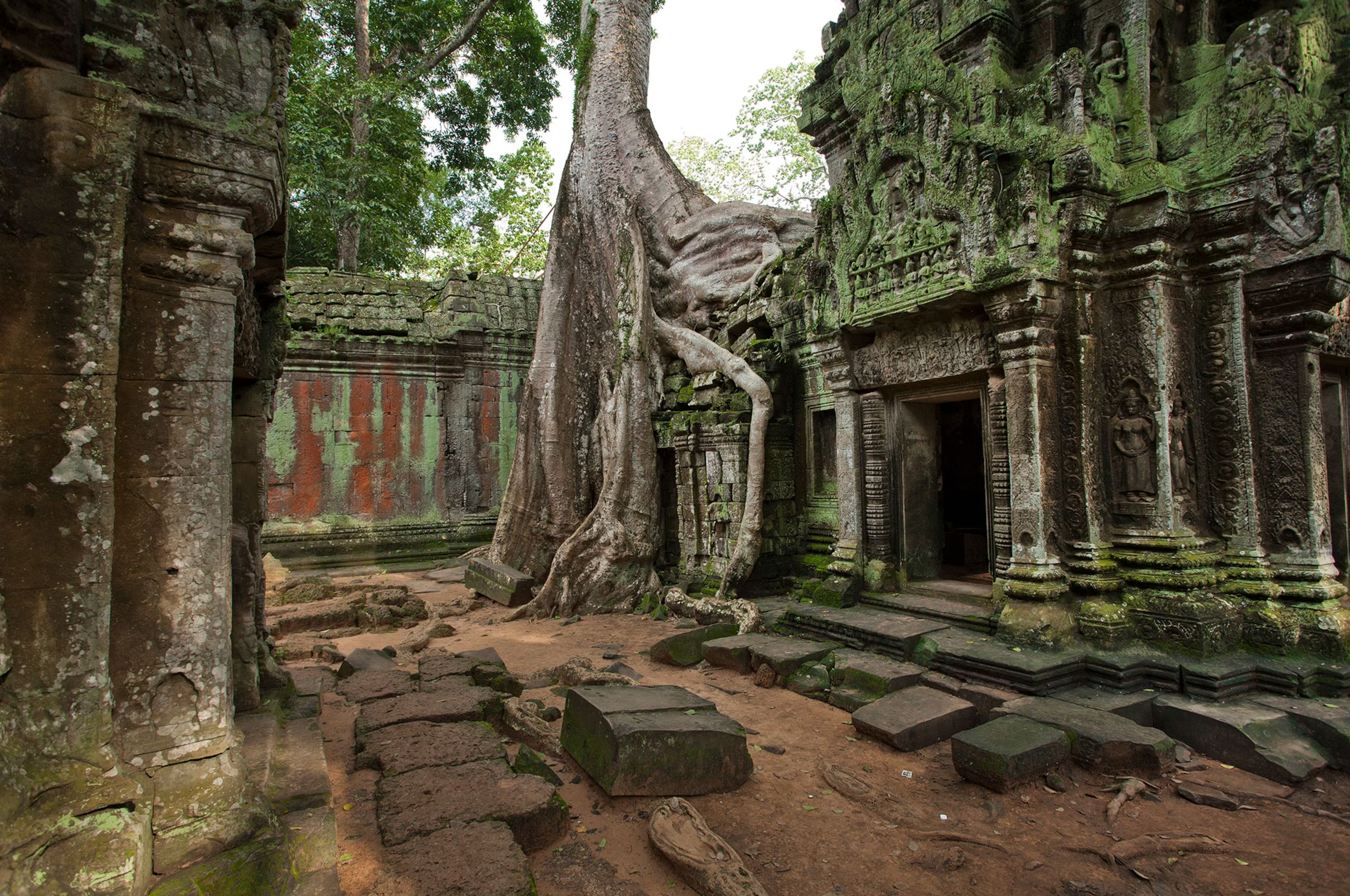
Beyond Angkor Wat, the Angkor complex includes countless temples, each with its own character and story. Bayon Temple, located at the center of Angkor Thom, is famous for its serene stone faces carved into towering structures, believed to represent compassion and watchfulness. Ta Prohm offers a striking contrast, where massive tree roots intertwine with crumbling stone walls, symbolizing the passage of time and nature’s reclaiming power. Exploring these temples provides insight into the religious, political, and artistic achievements of the Khmer civilization and reinforces Angkor’s status as a world heritage treasure.
Siem Reap itself complements the temples with a relaxed yet vibrant atmosphere. The town is compact and easy to navigate, with a blend of traditional wooden houses, colonial-era buildings, and modern developments. Along the Siem Reap River, shaded walkways, cafés, and boutique hotels create a pleasant environment for unwinding after long days of exploration. The town’s slower pace allows visitors to reflect on their experiences while remaining connected to local life.
Culture plays a central role in Siem Reap’s identity. The city is a hub for traditional Cambodian arts, including classical dance, music, and handicrafts. Performances of Apsara dance, rooted in ancient court traditions, offer a glimpse into Cambodia’s artistic heritage. Local workshops and social enterprises support artisans who produce silk textiles, stone carvings, and ceramics, helping preserve traditional skills while creating sustainable livelihoods for local communities.
Siem Reap’s markets provide another window into everyday Cambodian life. The Old Market and surrounding night markets offer a lively mix of local produce, street food, handicrafts, and souvenirs. These areas come alive in the evenings, creating social spaces where locals and visitors gather to eat, shop, and relax. While tourism plays a significant role in the local economy, these markets retain an authentic and welcoming character.
Food in Siem Reap reflects the subtle flavors of Khmer cuisine, often highlighting fresh herbs, mild spices, and balanced textures. Dishes such as fish amok, beef lok lak, and Khmer curries are widely available, served in settings ranging from family-run eateries to refined restaurants. In recent years, Siem Reap has also developed a reputation for culinary innovation, with chefs reinterpreting traditional recipes while supporting local farmers and ingredients.
Beyond the town and temples, Siem Reap offers access to rural landscapes and traditional villages that reveal a different side of Cambodia. Floating villages on Tonlé Sap Lake showcase a unique way of life shaped by seasonal changes and water-based livelihoods. Visiting these communities provides valuable context to Cambodia’s relationship with its natural environment and highlights the resilience of its people.
What makes Siem Reap truly special is its ability to balance global significance with human warmth. Despite welcoming visitors from around the world, the town retains a sense of humility and openness. The stories of survival, creativity, and renewal are woven into daily life, making every interaction meaningful. Siem Reap does not simply present history; it lives alongside it.
For travelers seeking history, culture, spirituality, and connection, Siem Reap offers an experience that resonates long after the journey ends. It is a place where ancient stones tell timeless stories and modern Cambodia continues to move forward with grace and resilience.
Explore More From Us


Read more from us
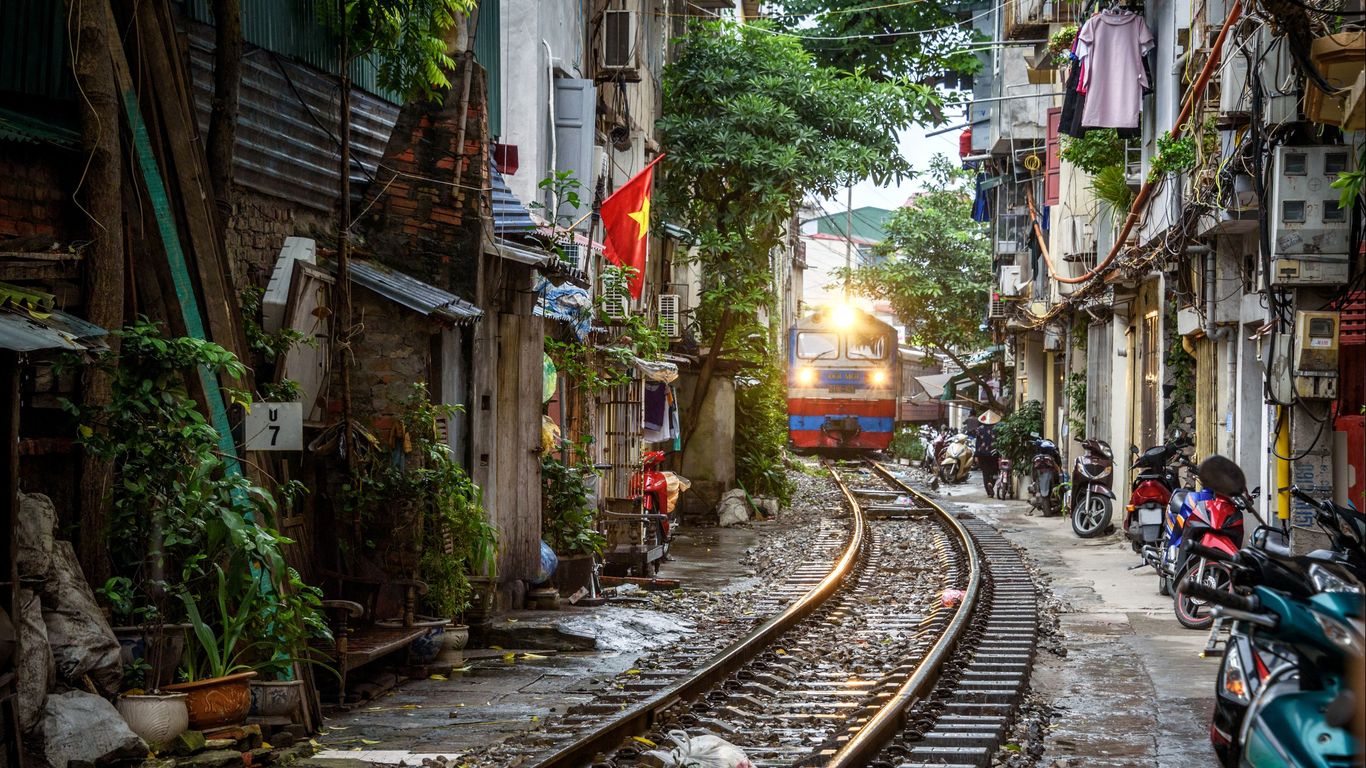
Hanoi: The Vibrant Capital of Vietnam and Its Iconic Train Experience
2025-12-13
Hanoi, the bustling capital of Vietnam, is a city where centuries of history meet vibrant modern lif...Read more
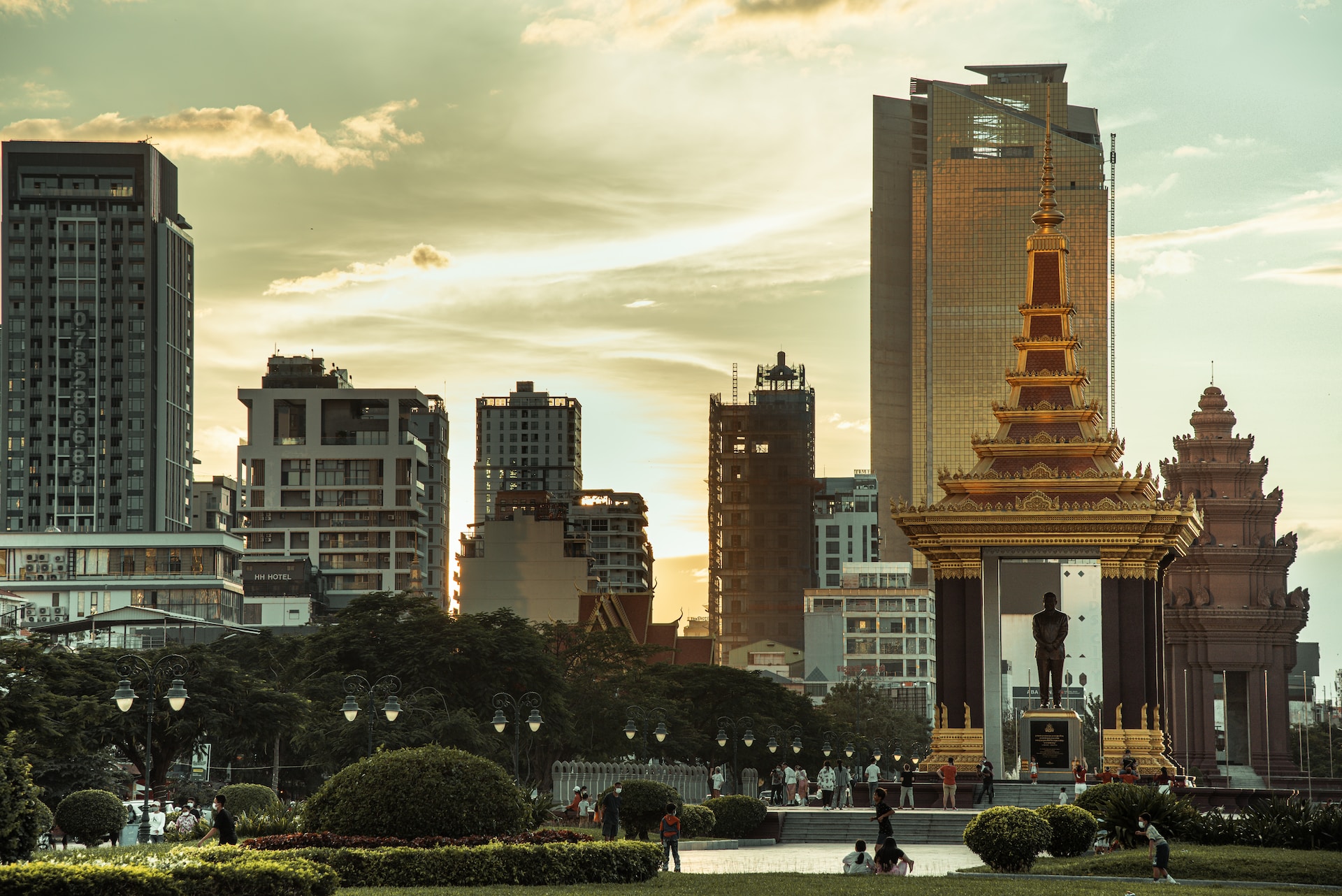
Phnom Penh: Cambodia’s Vibrant Capital of History, Culture, and Riverside Life
2025-12-14
Phnom Penh, the bustling capital of Cambodia, sits at the confluence of the Mekong, Tonle Sap, and B...Read more
Siem Reap: Cambodia’s Cultural Heart and Gateway to Angkor
2025-12-13
Siem Reap, located in northwestern Cambodia, is best known as the gateway to the legendary Angkor Ar...Read more