
Phnom Penh: Cambodia’s Historic Capital of Resilience, Culture, and Riverfront Life
From: camellia tours
Date: 2025-12-13
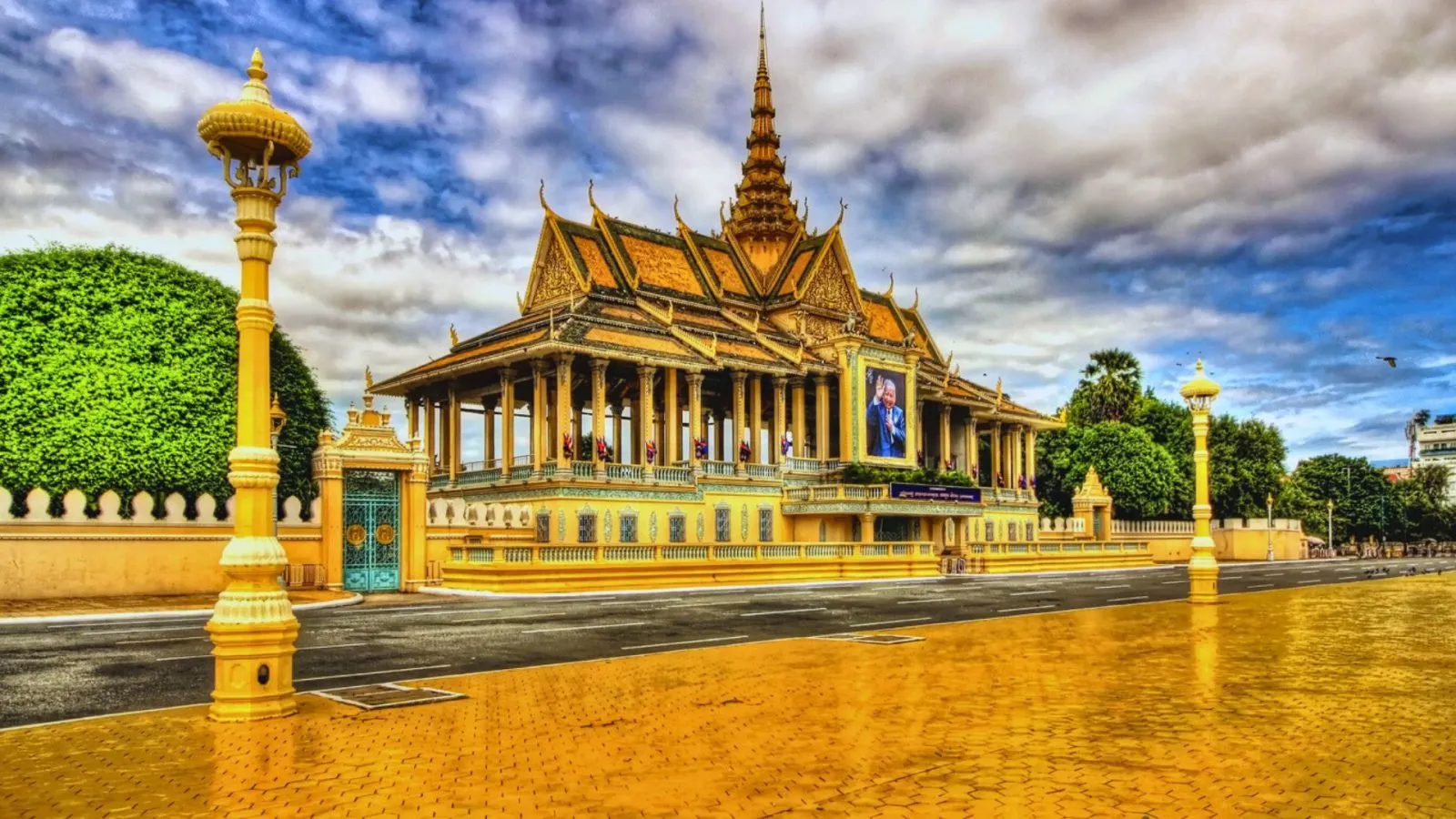
The Royal Palace stands as one of Phnom Penh’s most iconic landmarks, symbolizing the nation’s monarchy and architectural heritage. Its elegant Khmer-style buildings, ornate spires, and carefully maintained gardens reflect the artistic mastery and spiritual depth of Cambodian culture. Within the palace complex lies the Silver Pagoda, named for its floor made of thousands of silver tiles. Housing sacred Buddhist relics and statues, the Silver Pagoda remains an important place of worship and a powerful representation of Cambodia’s religious traditions.
Phnom Penh’s history is deeply marked by the tragic period of the Khmer Rouge regime, and understanding this chapter is essential to understanding the city itself. The Tuol Sleng Genocide Museum, once a high school turned prison, offers a sobering and deeply moving account of the atrocities committed during this time. Nearby, the Choeung Ek Killing Fields serve as a memorial to the victims, reminding visitors of the immense suffering endured by the Cambodian people. These sites, while emotionally challenging, play a crucial role in preserving memory and promoting reflection, resilience, and peace.
Beyond its historical weight, Phnom Penh is a city of daily life and quiet beauty. The riverfront area along the Tonlé Sap and Mekong rivers is one of the city’s most pleasant spaces, where locals gather in the evenings to walk, exercise, and socialize. Cafés, restaurants, and open promenades create a relaxed atmosphere, offering scenic views of boats drifting along the water and the changing colors of the sky at sunset. This area highlights the city’s gentler side and its strong connection to the rivers that have sustained it for centuries.
Phnom Penh’s markets provide a vivid insight into local life and commerce. The Central Market, with its distinctive Art Deco architecture, is a bustling hub where visitors can find everything from fresh produce and local snacks to jewelry and souvenirs. Russian Market offers a more informal and lively shopping experience, known for handicrafts, clothing, and street food. These markets are not just places to shop but social spaces that reflect the rhythm and character of the city.
Cultural institutions such as the National Museum of Cambodia further enrich the Phnom Penh experience. Home to an impressive collection of Khmer art and artifacts, the museum traces Cambodia’s artistic legacy from ancient Angkorian times to later periods. Its traditional red Khmer-style building and peaceful courtyard create an atmosphere of quiet contemplation, offering a valuable counterbalance to the city’s busier streets.
In recent years, Phnom Penh has undergone visible transformation, with new developments, hotels, and cultural spaces emerging across the city. While modernization brings change, Phnom Penh retains a strong sense of identity rooted in tradition and community. Local cafés, creative spaces, and growing art scenes reflect a youthful energy that complements the city’s historical depth. This balance between remembrance and renewal defines Phnom Penh’s evolving character.
Food in Phnom Penh reflects Cambodia’s rich culinary traditions, often understated yet deeply flavorful. Dishes such as fish amok, lok lak, and num banh chok are commonly found in both local eateries and refined restaurants. Street food stalls and riverside cafés offer accessible ways to explore Khmer cuisine while engaging with the city’s everyday life. Dining in Phnom Penh is an intimate experience, often centered around fresh ingredients and time-honored recipes.
Phnom Penh is not a city that seeks to impress with grandeur alone. Its true strength lies in its honesty, resilience, and human stories. It asks visitors to slow down, listen, and reflect, offering meaningful experiences that extend far beyond sightseeing. The city’s layered history, cultural richness, and emerging modern identity create a narrative that is both challenging and rewarding.
For travelers seeking depth, understanding, and cultural connection, Phnom Penh stands as one of Southeast Asia’s most important and impactful capitals. It is a city that remembers, heals, and moves forward, offering a powerful and unforgettable journey into the heart of Cambodia.
Explore More From Us


Read more from us
Hanoi: The Vibrant Capital of Vietnam and Its Iconic Train Experience
2025-12-13
Hanoi, the bustling capital of Vietnam, is a city where centuries of history meet vibrant modern lif...Read more
Phnom Penh: Cambodia’s Vibrant Capital of History, Culture, and Riverside Life
2025-12-14
Phnom Penh, the bustling capital of Cambodia, sits at the confluence of the Mekong, Tonle Sap, and B...Read more
Siem Reap: Cambodia’s Cultural Heart and Gateway to Angkor
2025-12-13
Siem Reap, located in northwestern Cambodia, is best known as the gateway to the legendary Angkor Ar...Read more