
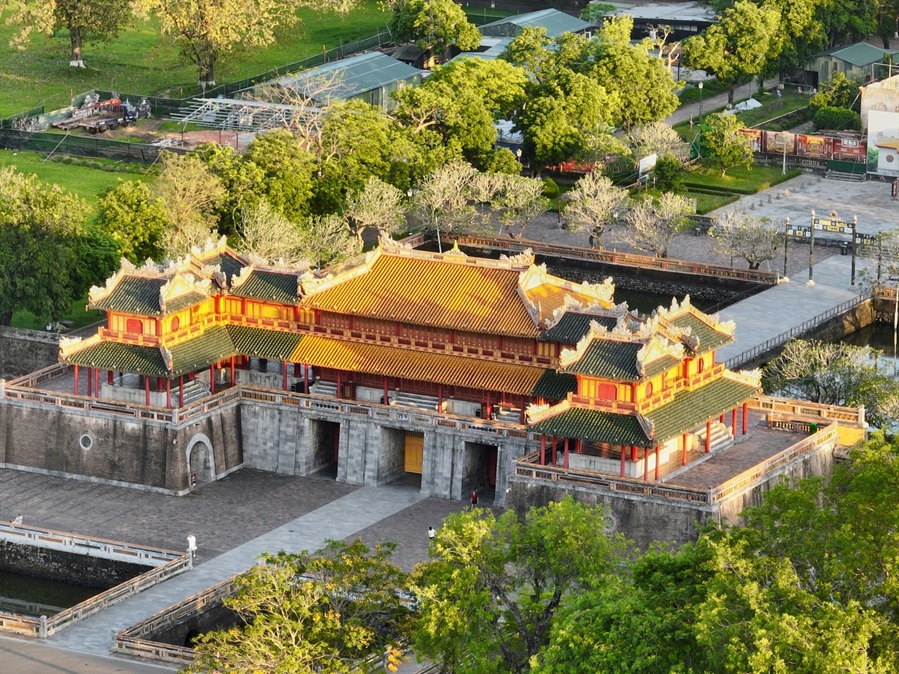
Hue: Vietnam’s Imperial City of History, Heritage, and Quiet Elegance
From: camellia tours
Date: 2025-12-13
At the center of Hue’s historical identity lies the Imperial City, a vast walled complex that once housed emperors, royal families, and court officials. Modeled partly on Chinese imperial architecture but adapted to Vietnamese aesthetics, the Imperial City features grand gates, ceremonial halls, courtyards, and temples arranged according to principles of harmony and balance. The Forbidden Purple City, reserved exclusively for the emperor and his inner circle, adds a sense of mystery to the complex. Despite damage sustained during wars, ongoing restoration efforts allow visitors to appreciate the scale and sophistication of this former seat of power.
The Perfume River plays a defining role in Hue’s landscape and cultural life. Flowing gently through the city, the river enhances Hue’s poetic reputation and provides a tranquil setting for exploration. Traditional dragon boats glide along its waters, offering scenic cruises that pass pagodas, gardens, and royal tombs. The river is particularly beautiful in the early morning and late afternoon, when soft light reflects off its surface and the city seems suspended in time.
Scattered along the outskirts of Hue are the royal tombs of the Nguyen emperors, each uniquely designed to reflect the personality and philosophy of the ruler it commemorates. Tombs such as those of Emperor Minh Mang, Tu Duc, and Khai Dinh blend architecture, landscape design, and symbolism into serene memorial complexes. These tombs are not only burial sites but also expressions of imperial values, combining natural surroundings with artistic detail in a way that emphasizes harmony between humanity and nature.
Hue is also deeply connected to Vietnamese spiritual life, with numerous pagodas and temples contributing to its sacred atmosphere. Thien Mu Pagoda, the city’s most iconic religious site, stands on a hill overlooking the Perfume River and has become a symbol of Hue itself. Its seven-story tower, historic relics, and peaceful grounds offer insight into the role of Buddhism in shaping the city’s identity and moral traditions.
Cultural refinement extends to Hue’s cuisine, which is considered one of Vietnam’s most distinctive regional food traditions. Influenced by royal court cooking, Hue’s dishes are known for their delicate presentation, balanced flavors, and variety. Specialties such as bun bo Hue, banh beo, banh nam, and banh loc reflect the city’s emphasis on elegance and detail. Meals in Hue are often enjoyed slowly, reflecting a cultural appreciation for subtlety and tradition.
Hue’s legacy of art and music further enriches its cultural landscape. Traditional court music, recognized by UNESCO as an Intangible Cultural Heritage, continues to be performed in historic settings, offering visitors a rare glimpse into royal-era entertainment. Craft villages surrounding Hue preserve traditional skills such as conical hat making, incense production, and embroidery, connecting the city to its artisanal roots.
Despite its deep historical character, Hue remains a living city shaped by everyday life. Local markets, riverside cafés, and quiet neighborhoods reveal a community that honors its past while continuing to evolve. Hue’s slower pace allows visitors to engage more thoughtfully with its environment, making it an ideal destination for those seeking cultural depth and reflection rather than fast-paced tourism.
Hue is not a city of spectacle but of meaning. Its imperial monuments, spiritual sites, and artistic traditions create a narrative of continuity and resilience. For travelers interested in history, culture, and atmosphere, Hue offers an experience that is both enriching and deeply memorable, standing as a testament to Vietnam’s royal heritage and enduring cultural identity.
Explore More From Us


Read more from us
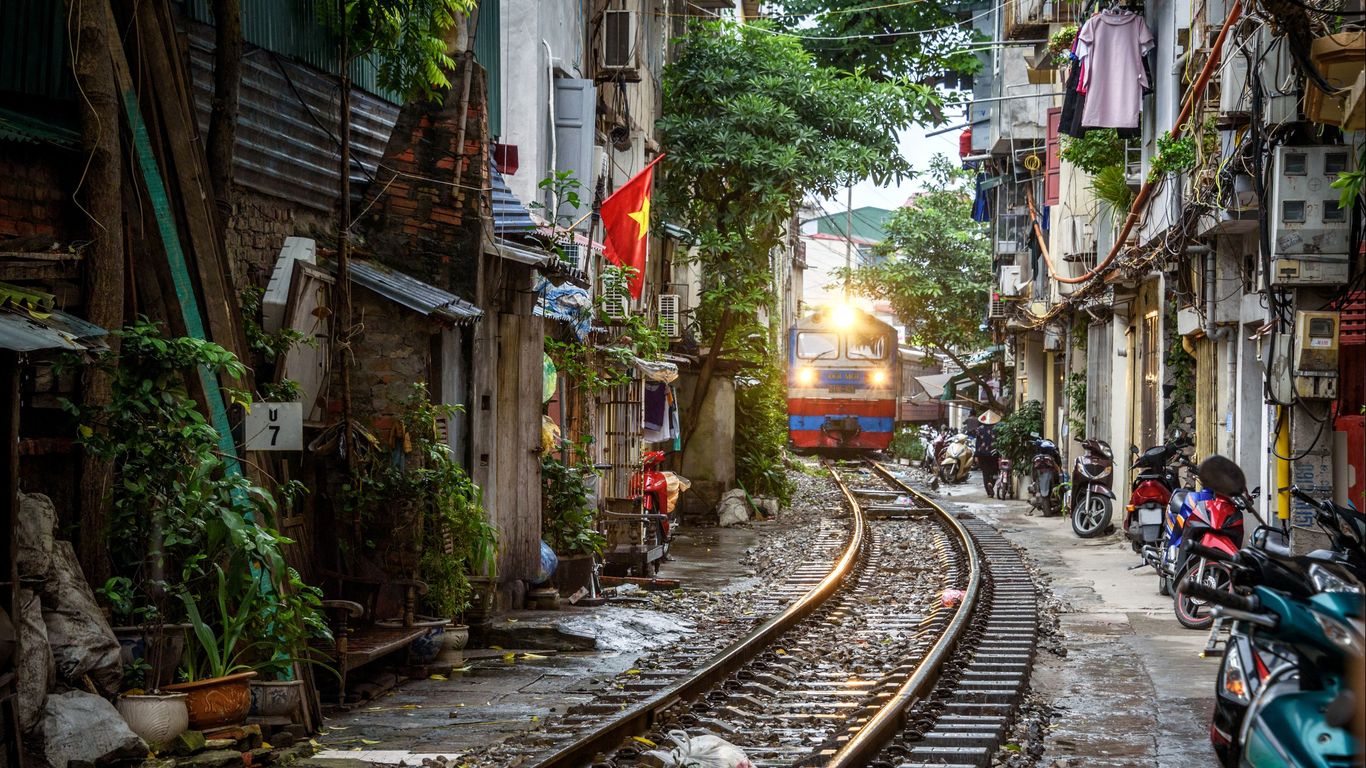
Hanoi: The Vibrant Capital of Vietnam and Its Iconic Train Experience
2025-12-13
Hanoi, the bustling capital of Vietnam, is a city where centuries of history meet vibrant modern lif...Read more
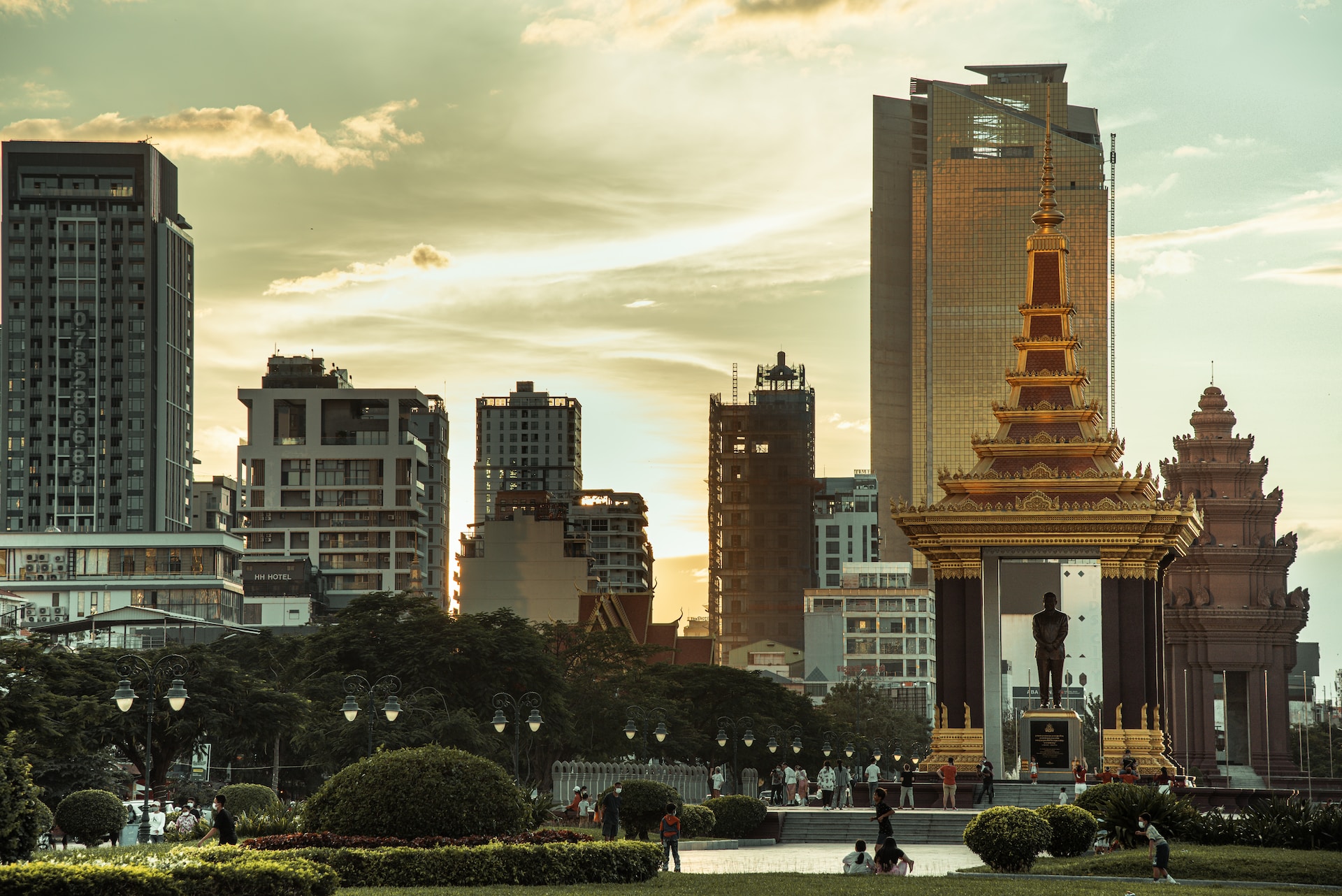
Phnom Penh: Cambodia’s Vibrant Capital of History, Culture, and Riverside Life
2025-12-14
Phnom Penh, the bustling capital of Cambodia, sits at the confluence of the Mekong, Tonle Sap, and B...Read more
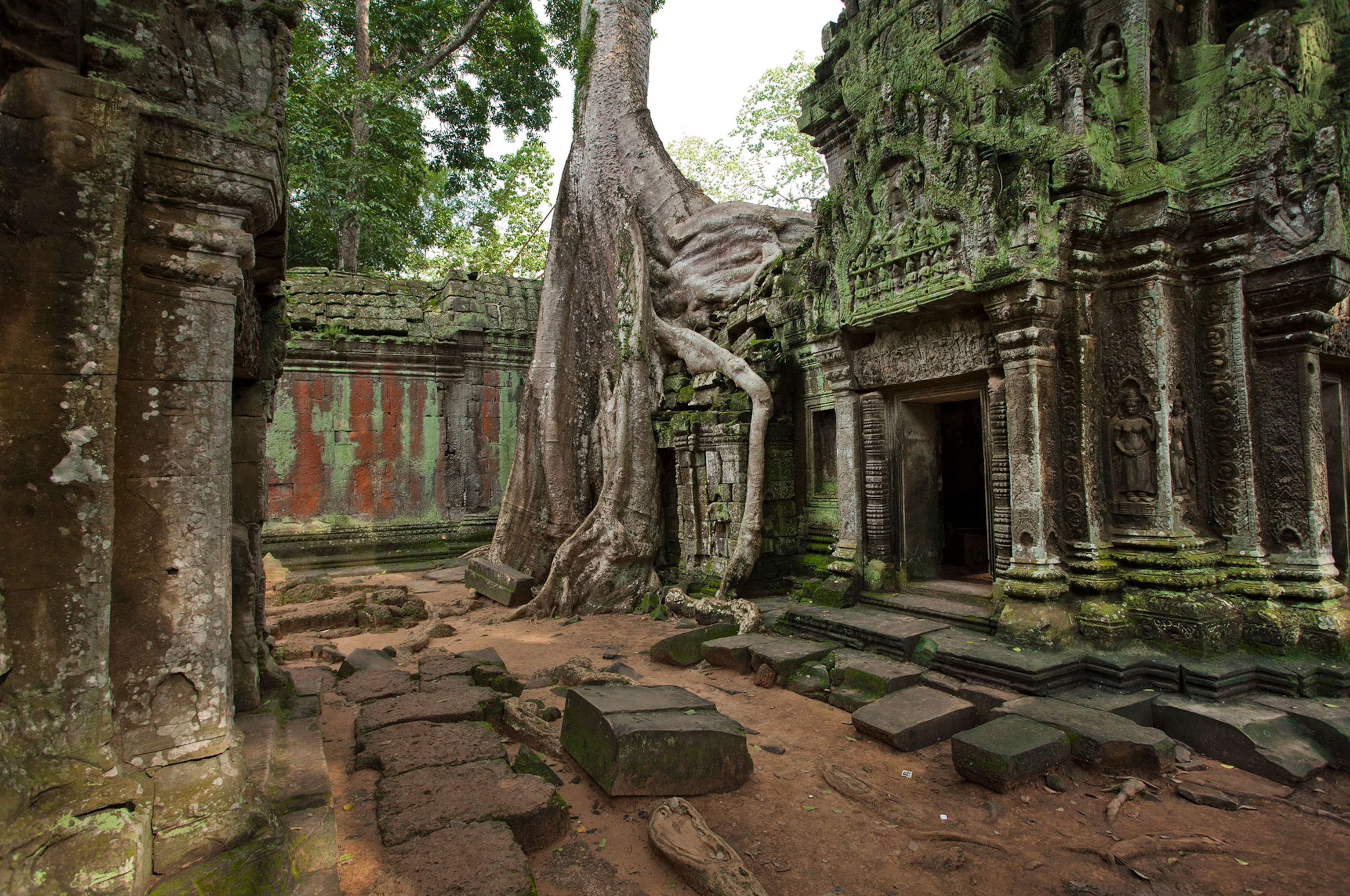
Siem Reap: Cambodia’s Cultural Heart and Gateway to Angkor
2025-12-13
Siem Reap, located in northwestern Cambodia, is best known as the gateway to the legendary Angkor Ar...Read more