
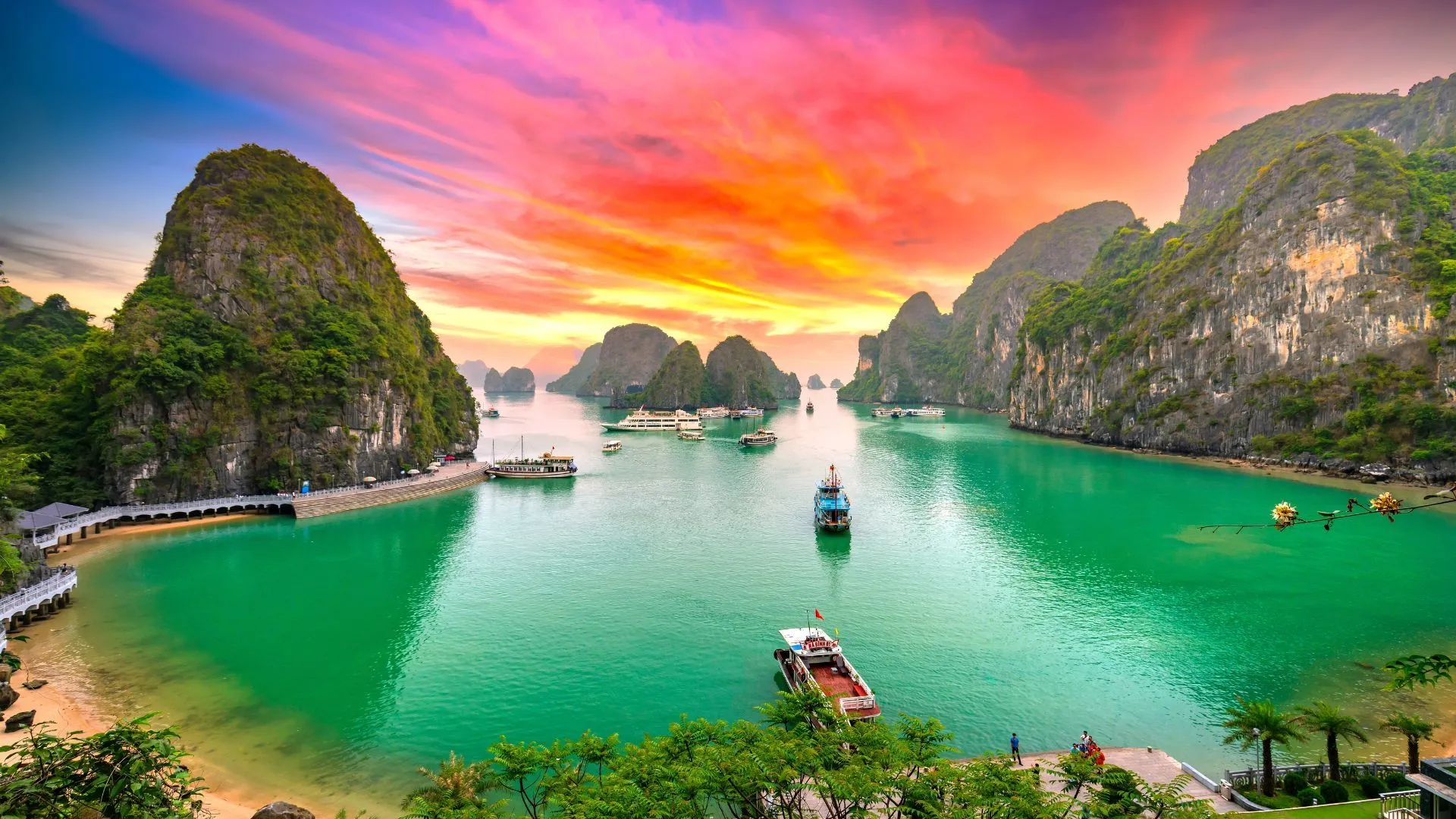
A Timeless Journey Through Vietnam’s Cultural Heart
From: camellia tours
Date: 2025-12-11
At the heart of the city lies the Old Quarter, a dense maze of narrow streets that has remained the commercial core of Hanoi for centuries. Each street was historically dedicated to a specific trade, and while modern businesses have evolved, the spirit of craftsmanship and trade still thrives. Walking through the Old Quarter is an experience in itself, where street vendors sell freshly prepared pho, bun cha, and banh mi, while motorbikes weave effortlessly through the crowds. Ancient shophouses with faded yellow walls and wooden balconies stand as quiet witnesses to centuries of commerce, culture, and everyday life. This area perfectly captures Hanoi’s ability to preserve tradition while embracing change.
Hoan Kiem Lake serves as the symbolic and emotional center of the city. Surrounded by shaded walkways and historic landmarks, the lake is a gathering place for locals practicing tai chi at sunrise, couples strolling in the evening, and visitors seeking a peaceful escape from the surrounding bustle. The iconic red Huc Bridge leading to Ngoc Son Temple adds a poetic charm to the lake, especially during early morning mist or sunset. Legend has it that a sacred turtle reclaimed a magical sword from a Vietnamese emperor here, reinforcing the lake’s spiritual and national significance. This blend of mythology, nature, and daily life is what makes Hanoi uniquely captivating.
Hanoi’s deep respect for learning and tradition is best reflected at the Temple of Literature, Vietnam’s first national university. Built in the 11th century, the temple honors Confucius and generations of scholars who shaped the nation’s intellectual foundation. Its peaceful courtyards, stone stelae engraved with the names of successful scholars, and traditional Vietnamese architecture provide a striking contrast to the modern city outside its walls. The Temple of Literature remains a powerful symbol of education, wisdom, and cultural continuity, and it continues to inspire students and visitors alike.
The city’s historical narrative cannot be understood without exploring the Ho Chi Minh Mausoleum and its surrounding complex. This solemn site is dedicated to Vietnam’s revolutionary leader and offers insight into the country’s struggle for independence. Nearby landmarks such as the Presidential Palace, Ho Chi Minh’s stilt house, and the One Pillar Pagoda provide further context to Vietnam’s political and spiritual heritage. Visiting this area offers a deeper understanding of modern Vietnamese identity and the values that continue to shape the nation.
French colonial influence is another defining layer of Hanoi’s character. Grand boulevards, elegant villas, and architectural landmarks such as the Hanoi Opera House and St. Joseph’s Cathedral reflect a period that left a lasting imprint on the city’s design and urban planning. These structures coexist with traditional Vietnamese homes, creating a visual narrative of cultural exchange and historical complexity. Cafés serving rich Vietnamese coffee in colonial-era buildings add to the city’s old-world charm, making Hanoi a paradise for slow travelers and cultural enthusiasts.
Hanoi’s culinary scene is one of the most celebrated in Asia, deeply rooted in tradition and local flavors. The city is widely regarded as the birthplace of pho, Vietnam’s iconic noodle soup, known for its clear, aromatic broth and delicate balance of herbs and spices. Bun cha, grilled pork served with rice noodles and dipping sauce, gained global attention and remains a local favorite. Street food culture thrives on every corner, offering dishes prepared with skill passed down through generations. Eating in Hanoi is not just about taste but about experiencing the city’s heritage through food.
Beyond its historical and cultural landmarks, Hanoi is also a gateway to northern Vietnam’s natural and cultural treasures. Day trips to places like Ninh Binh, known for its dramatic limestone landscapes, or traditional craft villages such as Bat Trang offer deeper insight into rural life and ancient crafts. Hanoi’s strategic location makes it an ideal base for exploring the region while returning each evening to the comfort and vibrancy of the capital.
What truly sets Hanoi apart is its atmosphere. The city feels lived-in, authentic, and deeply human. Life unfolds on the streets, from morning markets and sidewalk barbers to evening gatherings around small plastic stools serving beer and snacks. Hanoi does not attempt to impress with grandeur alone; instead, it draws visitors in with sincerity, history, and a strong sense of place. It is a city that reveals itself slowly, rewarding those who take the time to listen, observe, and engage.
Hanoi is more than a destination; it is an experience that lingers long after you leave. Its layered history, rich traditions, and everyday moments create a powerful narrative that defines Vietnam’s past, present, and future. For travelers seeking culture, depth, and authenticity, Hanoi stands as an unforgettable chapter in any journey through Southeast Asia.
Explore More From Us


Read more from us
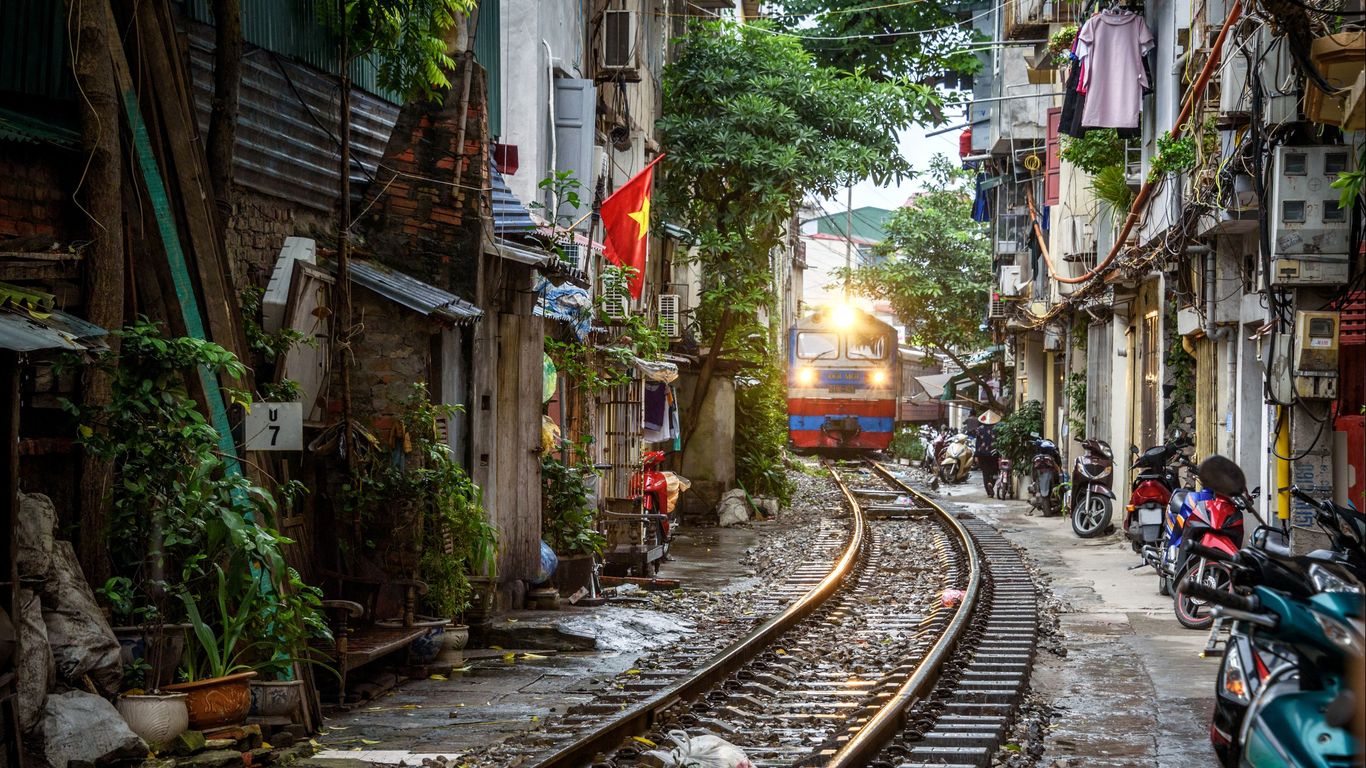
Hanoi: The Vibrant Capital of Vietnam and Its Iconic Train Experience
2025-12-13
Hanoi, the bustling capital of Vietnam, is a city where centuries of history meet vibrant modern lif...Read more
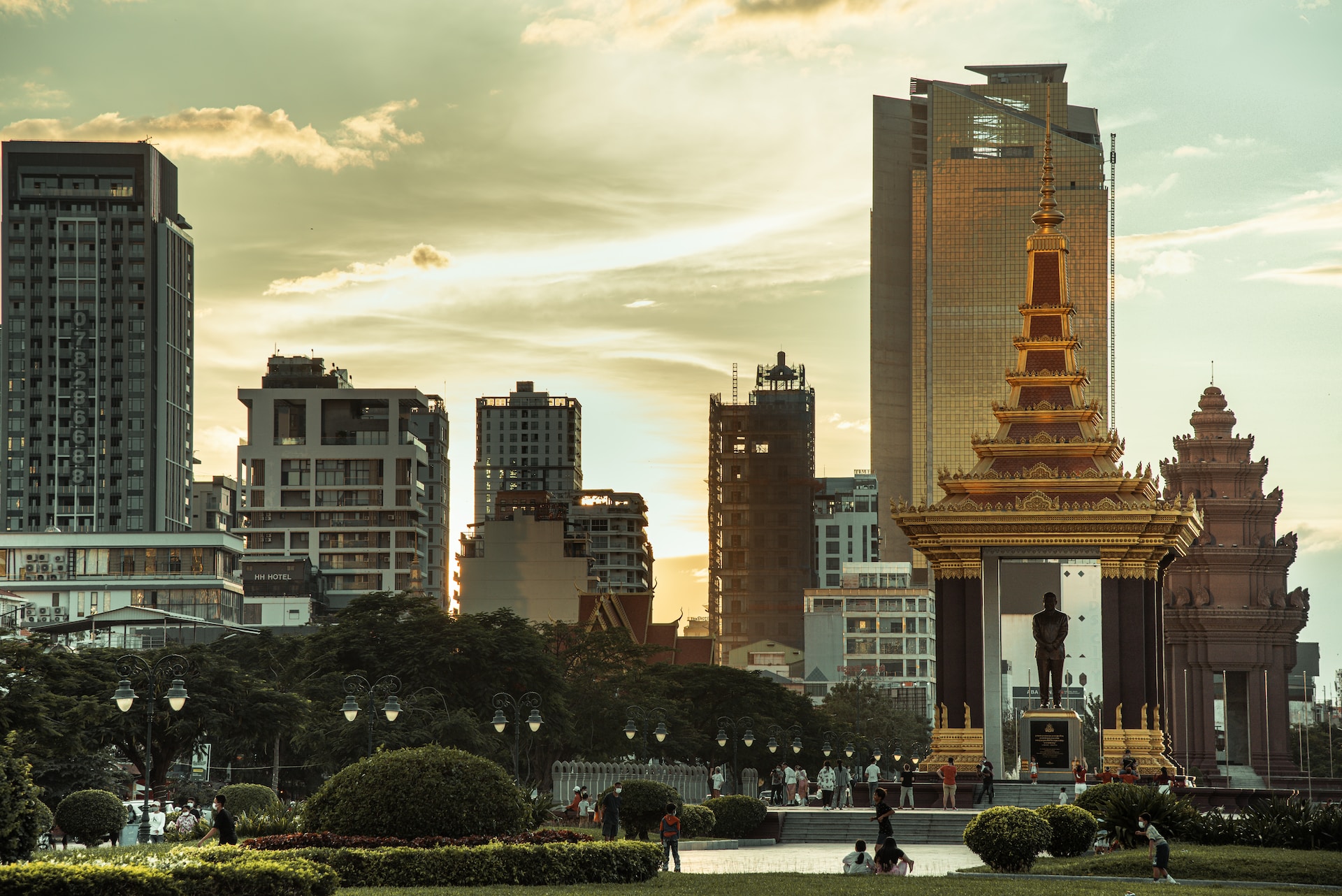
Phnom Penh: Cambodia’s Vibrant Capital of History, Culture, and Riverside Life
2025-12-14
Phnom Penh, the bustling capital of Cambodia, sits at the confluence of the Mekong, Tonle Sap, and B...Read more
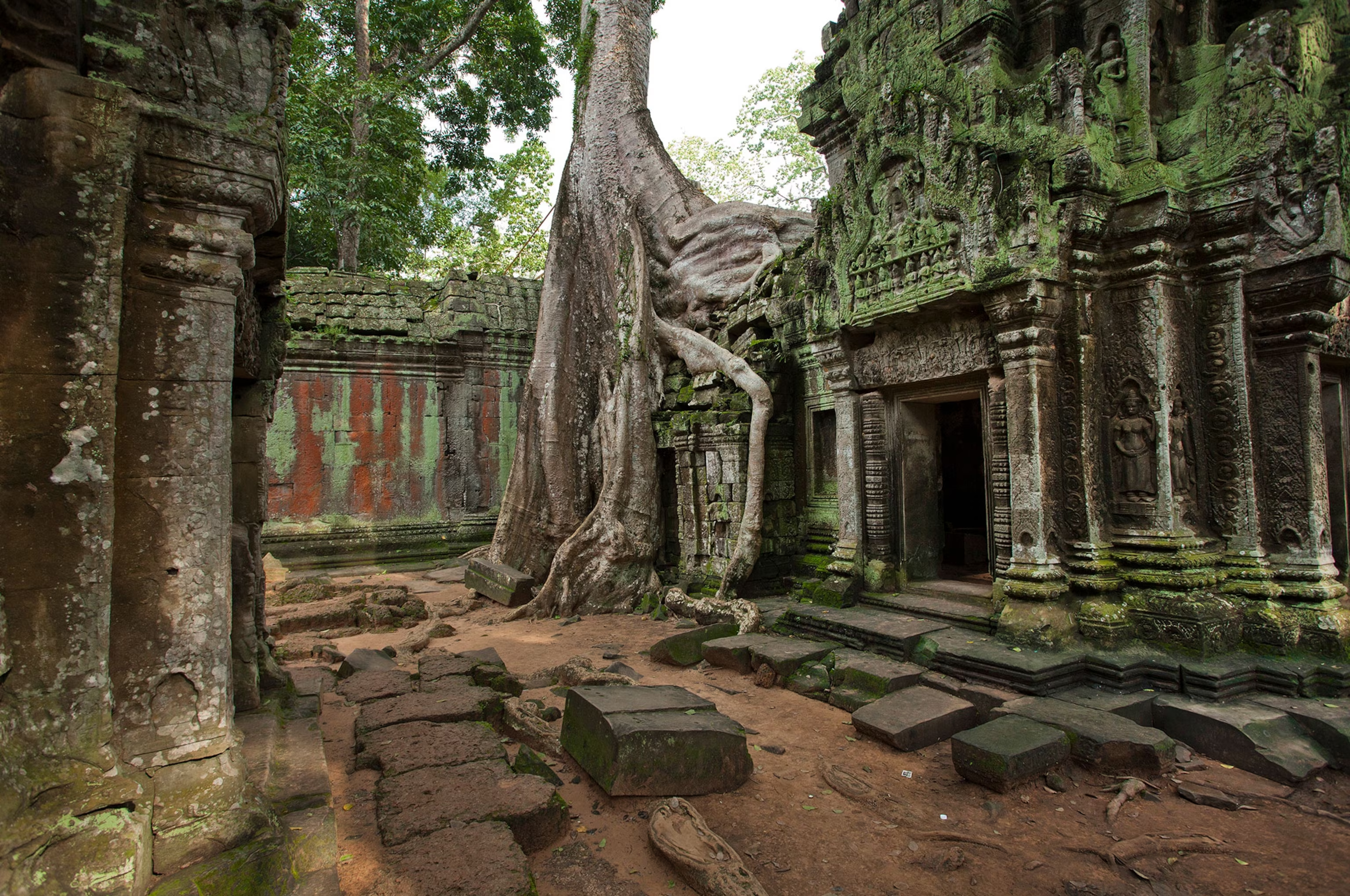
Siem Reap: Cambodia’s Cultural Heart and Gateway to Angkor
2025-12-13
Siem Reap, located in northwestern Cambodia, is best known as the gateway to the legendary Angkor Ar...Read more