
Oudong
Explore the top attractions and hidden gems in cambodia. Plan your perfect trip
with our expert recommendations!
#Oudong
# Cambodia
# former capital
# stupas
# history
# heritage
# pilgrimage
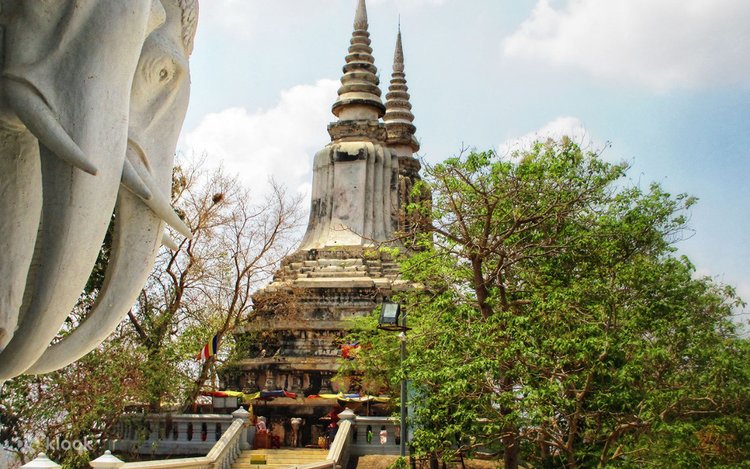
Oudong, located about 40 kilometers northwest of Phnom Penh, is a site of profound historical and spiritual significance in Cambodia. Once the royal capital from the early 17th century until the late 19th century, Oudong preserves the legacy of Cambodia’s monarchy, Buddhist traditions, and architectural heritage. Today, it serves as both a pilgrimage site and a destination for travelers seeking to explore Cambodia’s history beyond the bustling cities, offering panoramic views, ancient stupas, and a serene atmosphere that reflects the country’s spiritual and royal past.

At the heart of Oudong is Oudong Mountain, or Phnom Oudong, a small hill that dominates the surrounding landscape. Pilgrims and visitors ascend a series of steps flanked by stupas, Buddha statues, and prayer halls to reach the summit, where several memorial stupas honor past Cambodian kings. These stupas, built from stone and brick with intricate carvings, commemorate the monarchy and house relics, creating a place of reverence, reflection, and cultural memory. The hilltop location provides sweeping views of the Tonle Sap floodplains, rice paddies, and distant mountains, offering both a spiritual and scenic reward for those who climb.

Oudong’s historical significance is deeply tied to Cambodia’s royal heritage. During its time as the capital, the city was a political and cultural center where kings ruled, religious ceremonies were held, and Buddhist teachings flourished. Even after the capital moved to Phnom Penh in the 19th century, Oudong remained a symbolic and ceremonial site. Today, it attracts locals and visitors alike, who come to pay respects, meditate, or simply appreciate the historical importance of the hill and its monuments.

The surrounding area of Oudong reflects rural Cambodian life. Traditional villages, rice fields, and small temples dot the landscape, providing insight into the daily rhythms of local communities. Traveling through these areas, visitors can witness traditional agricultural practices, local markets, and the warm hospitality of residents, connecting historical exploration with contemporary cultural experiences.

Oudong’s temples and stupas showcase Cambodia’s spiritual and architectural traditions. The central stupa of King Sisowath, along with other royal stupas, features elegant carvings, gilded elements, and symbolic Buddhist motifs. Smaller shrines and statues scattered along the hillside provide intimate spaces for prayer and reflection, creating a layered spiritual landscape that honors both religion and royalty. Annual festivals and ceremonies, especially during Pchum Ben (Ancestor’s Day), bring additional cultural depth, as locals gather to offer prayers and maintain traditional rituals.

Visiting Oudong is a contemplative experience that combines history, culture, and natural beauty. Unlike urban centers, the site offers quiet reflection, panoramic views, and a tangible connection to Cambodia’s royal past. Travelers can explore the hilltop stupas, interact with monks and pilgrims, and appreciate the serene atmosphere that has been preserved for centuries.

Oudong is more than a historical site; it is a living monument to Cambodia’s monarchy, Buddhist heritage, and enduring cultural traditions. Its hilltop stupas, sweeping landscapes, and spiritual ambiance make it a meaningful destination for those seeking both historical insight and tranquil beauty, providing a deeper understanding of Cambodia beyond the well-trodden tourist paths.
Find Tours in oudong
Explore our expertly curated tours offer the perfect mix
of exploration, relaxation, and excitement.
No tours found